
About
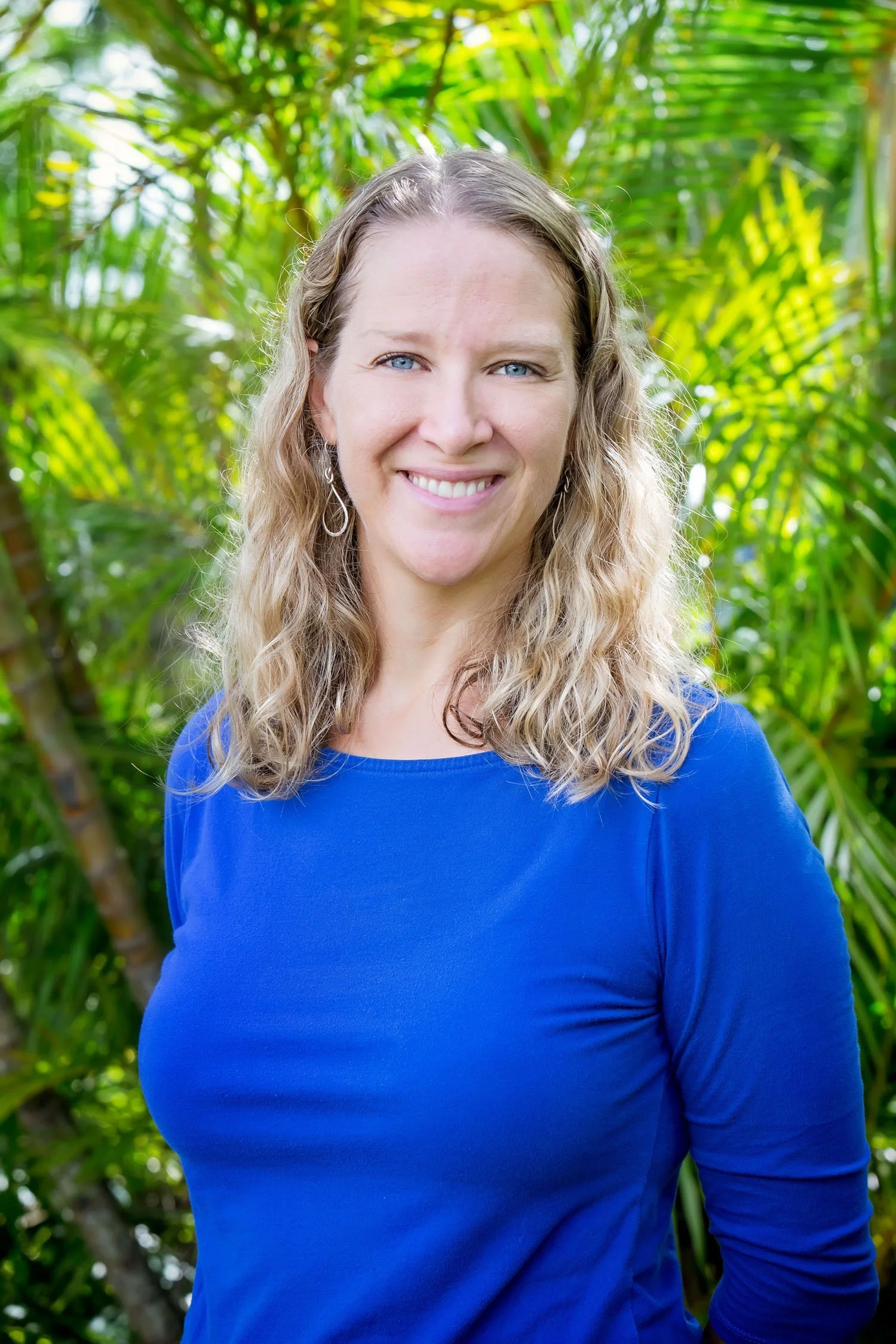
Lisa Gay, FNP, MSCP
I am a Nurse Practitioner and Certified Menopause Practitioner with over 20 years of experience in patient care. Much of my career has been spent providing primary care to individuals of all ages and I am excited to focus my expertise on maximizing the health of women in midlife. This focus allows me to stay informed on the most up to date research and interventions and use this information to tailor solutions to the individual needs of my patients.
I have been a proud resident of St. Croix in the US Virgin Islands since 2010 and love our island home. I started Midlife Wellness here to have the opportunity to spend more time with my patients and really listen to their concerns. My mission is to provide high-quality, personalized care that helps women feel their best. I want to partner with my patients, giving them the tools and knowledge they need to improve their health and feel empowered to make the choices that help them thrive through this pivotal stage of life.
What is the Menopause Transition?
The menopause transition (perimenopause, menopause, and post-menopause) are often associated with symptoms such as irregular bleeding (during perimenopause), mood swings, hot flashes, night sweats, sleep disturbances/insomnia, brain fog, memory difficulties, low libido, vaginal dryness, weight gain/body changes, and joint pain. While perimenopause, menopause and post-menopause are natural life stages, they don’t have to be miserable. In fact, it is an excellent time to focus on your health.
Let’s talk more about what these stages really mean.
Perimenopause is the transition phase before menopause when hormone levels begin to fluctuate, sometimes dramatically. The changes brought on by these fluctuations can make you feel like you are losing your mind and many of the things you did previously to take care of yourself don’t work as well anymore. This phase can start 7 to 10 years before menopause and hormonal and other therapies can help smooth the hormone fluctuations.
Menopause is the official end of menstrual cycles and occurs when it has been 12 consecutive months since your last period. Technically, it lasts only one day – the 365th day after the last cycle. This typically occurs between the ages of 45 to 55, but the timing can vary by individual. Menopause results from a natural decline in ovarian follicles which leads to a decline in reproductive hormones.
Post-menopause is all the time following the day of menopause and during this time hormone levels stabilize at lower levels. Over time, symptoms like hot flashes typically lessen, however the risk for diabetes, osteoporosis, heart disease, and stroke significantly increase.
In addition to improving your symptoms, there is a critical window in perimenopause and during the first 10 years of menopause when early intervention can significantly improve your future health. You may spend up to 40% of your life post-menopause. A proactive and tailored approach to your health during this transition can allow you to start healthy and active and continue to live vibrantly during these stages of life.